When the Script Changes: Reinventing Yourself as an Entertainer Without Burning the Bridge to Your Fans
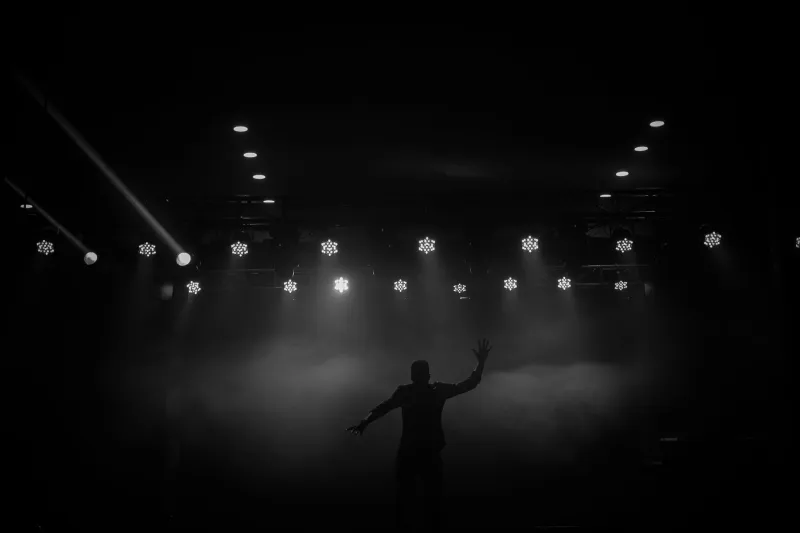
There's a particular kind of restlessness that creeps in when you've been doing the same thing for a while. Maybe the crowds are still showing up, the bookings are solid, and by most measures things look fine. But something feels off. The spark that made you chase this life in the first place has dimmed a little, and you're starting to wonder if there's a different version of your career waiting just around the corner.
That feeling? It's not a crisis. It's a signal.
The entertainers who last — the ones who build careers that span decades rather than a single hot streak — are almost always the ones who know how to evolve. But evolution in this industry is a delicate thing. Reinvent too fast without context, and your audience feels blindsided. Stay too rigid for too long, and you risk becoming a nostalgia act before you're ready for that chapter.
So how do you actually pull off a meaningful pivot without torching everything you've built?
Know the Difference Between a Pivot and a Distraction
First things first: not every creative itch needs to become a brand overhaul. This is one of the most common mistakes I see from entertainers who are itching for change. They confuse the desire to try something new with the need to completely redefine who they are professionally.
Ask yourself this — is the thing you want to pursue an extension of your core identity, or is it a departure from it? A comedian who wants to start directing short films isn't abandoning comedy; they're expanding their storytelling toolkit. A country singer who starts incorporating more Americana and folk elements isn't betraying their roots; they're deepening them. But a pop star who suddenly wants to pivot to death metal because they're bored? That's a distraction dressed up as reinvention.
The test isn't whether the new direction is different. It's whether it's authentically different — meaning it comes from somewhere real inside you, not just from a desire to shake things up or chase a trend.
Read the Room — But Don't Let the Room Write Your Story
Here's a tension every creative professional lives with: you make work for an audience, but you can't make work by committee. Your fans matter enormously, but they also hired you to lead, not to follow their preferences forever.
When Miley Cyrus shed the Hannah Montana persona, it wasn't pretty at first. There was backlash, confusion, and no shortage of think-pieces declaring her career over. But she understood something important — her original audience was always going to age out of that version of her, and the only sustainable path was to grow into something more honest. Years later, that pivot looks less like a gamble and more like a masterclass.
On a smaller scale, this plays out for independent entertainers all the time. A touring magician who starts incorporating spoken word storytelling into their act. A stand-up comedian who begins producing a narrative podcast. A YouTube creator who transitions from reaction videos into documentary-style filmmaking. In each case, the key wasn't just making the change — it was communicating it.
How to Bring Your Audience With You
This is where the real work happens. Reinvention without communication is just abandonment. Your audience deserves to understand what's changing and why — not because you owe them creative control, but because transparency builds trust, and trust is what keeps people around through transitions.
Here are a few frameworks that actually work:
Tell the story before the change lands. Don't drop a new album, new show format, or new creative direction cold. Bring people into the process. Share the behind-the-scenes moments. Talk about what's inspiring you. Let them feel the evolution happening in real time rather than waking up one day to a version of you they don't recognize.
Find the thread that connects old and new. Even the most dramatic pivots usually have a connective tissue if you look for it. Maybe it's your sense of humor, your commitment to storytelling, your visual aesthetic, or your values as a creator. Name that thread explicitly. Show your audience that even as the form changes, the you in the work doesn't disappear.
Give your existing fans a reason to stay. Acknowledge them directly. This doesn't mean pandering or softening your evolution — it means saying, out loud, "I know this might feel different, and I want you to come with me." That kind of direct address is disarming in the best way.
Accept that some people will leave. This one's hard, but it's true. Not everyone who loved your earlier work will follow you into new territory, and that's okay. Trying to hold onto every single fan at the cost of your creative growth is a trap. The audience you're building toward matters just as much as the one you're keeping.
Timing Is Everything
There's also a practical element to this that doesn't get talked about enough: when you pivot matters as much as how you pivot.
The worst time to reinvent is when you're at rock bottom creatively and financially, because desperation rarely produces good decisions. The second-worst time is when you're at your absolute peak and you blow it all up for no clear reason — that reads as chaos, not vision.
The sweet spot is usually a moment of earned momentum. You've had some success, you've built some trust with your audience, and you have enough runway to experiment without everything riding on the outcome. That's when a pivot feels like confidence rather than panic.
What Reinvention Actually Looks Like in Practice
I've talked with a lot of creative professionals over the years who've navigated this successfully, and the through-line is almost always the same: they didn't reinvent their brand so much as they reinvented their expression of it.
Think about that distinction for a second. Your brand, at its core, is the emotional promise you make to your audience — the feeling they get when they engage with your work. That can stay consistent even as the format, medium, or style shifts dramatically. What changes is how you deliver on that promise.
A storyteller is always a storyteller, whether they're doing it through stand-up, through film, through a podcast, or through live performance art. The medium is the vehicle. The story is the brand.
The Bottom Line
Reinvention isn't a one-time event — it's an ongoing practice for anyone serious about a long career in entertainment. The goal isn't to become someone unrecognizable. It's to keep becoming a fuller, more honest version of the creative person you've always been.
So if you're feeling that restlessness right now, don't ignore it. Sit with it. Figure out whether it's pointing you toward something real or just toward something shiny. And if it's real — if it's genuinely calling you — then trust yourself enough to move toward it, and trust your audience enough to bring them along.
The best creative pivots don't feel like betrayals. They feel, in hindsight, like they were inevitable.